




 Donno Bikes
 The bicycle carrier is an essential accessory for those who use their bicycle not only as a means of personal transport, but also as a means of carrying objects, doing their shopping, or even safely accompanying their children.
Bicycle racks are divided into two main categories: front and rear. Both are used to transport loads on the bicycle, but have different characteristics and mounting positions.
Front Bicycle Rack
LocationThey are mounted at the front of the bicycle, usually above the front wheel.
FeaturesThey are ideal for carrying light loads and allow the rider to have easy and direct access to luggage during the journey.
Load Capacity: They usually have a lower load capacity than rear carriers, usually around 3-5 kg, but there are sturdier models that can carry more.
AdvantagesThey improve weight distribution on the bicycle and are useful for balancing loads between the front and rear.
Rear Luggage Carriers
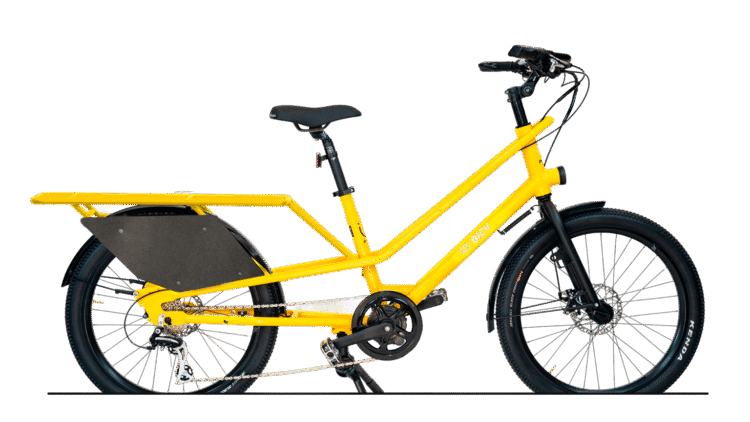
LocationThey are mounted at the rear of the bicycle, above the rear wheel.
FeaturesThey are more common and versatile than the front ones and are designed to carry heavier loads.
Load CapacityThey can support greater loads than front racks, with many models supporting 5 to 25 kg or more.
Advantages: Ideal for carrying child seats, large bags, camping equipment and other bulky items.
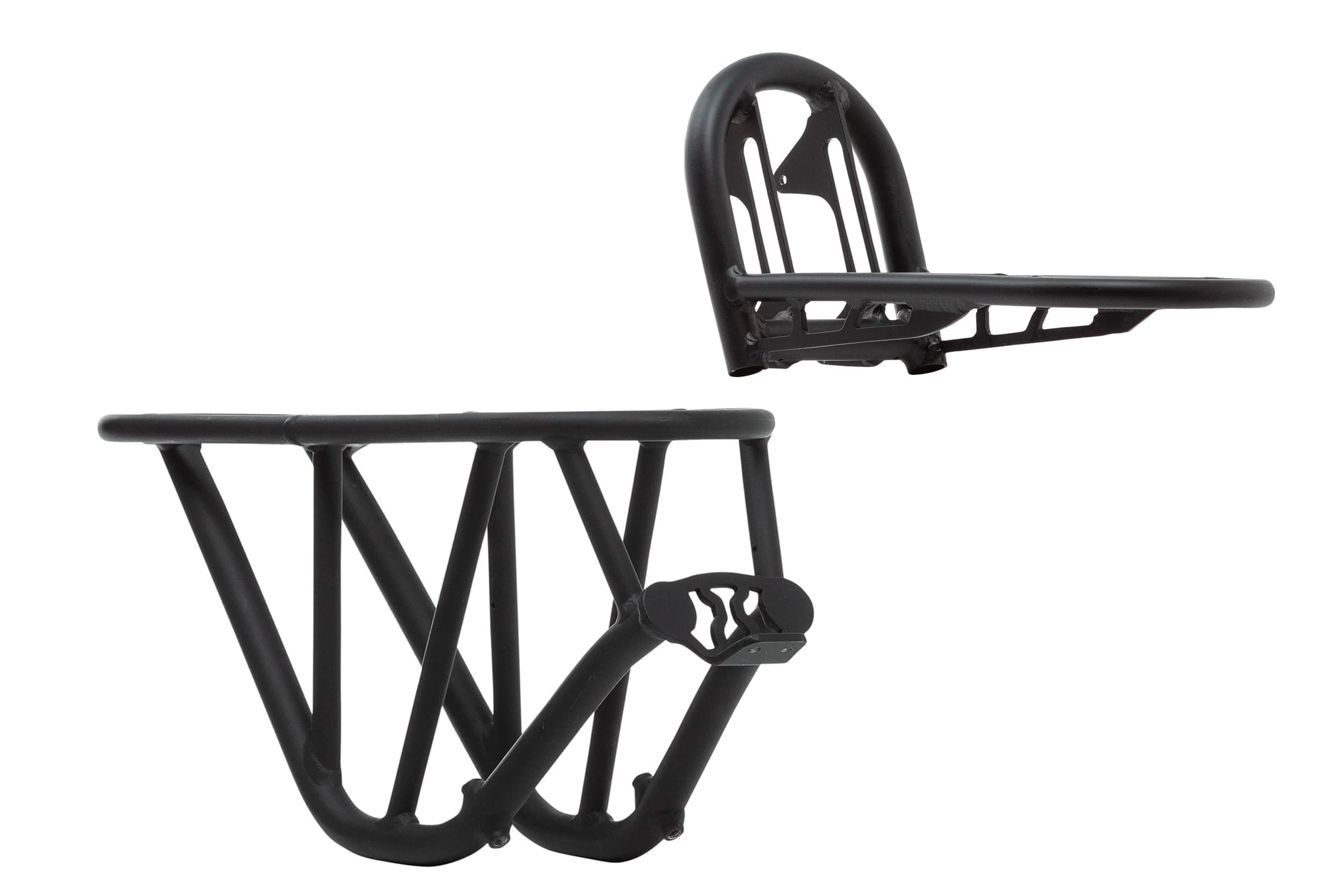
In both cases, it is important to choose a rack that is compatible with the type and size of the bicycle and that meets the specific load requirements of the rider.
Identifying the Problem
Using an unsuitable luggage rack can pose significant risks. An unsuitable luggage rack can not only damage the bicycle, but also compromise the safety of the rider and passengers, especially when transporting children or heavy loads. It is therefore essential to choose a luggage rack that adequately meets the load requirements and the type of bicycle.
Here are some of the risks of using an unsuitable bike rack:
- Bicycle DamageInadequate luggage carriers can cause structural damage to the bicycle, particularly if the weight of the load exceeds the maximum capacity supported by the carrier or the bicycle itself.
- Security Compromise: An unsuitable or poorly installed bike rack can adversely affect the stability and balance of the bike, increasing the risk of accidents.
- Risks for Cyclists and Passengers: In the case of transporting children or heavy loads, an unsuitable luggage rack can endanger the safety of the rider and passengers, due to instability or structural failure.
- Manoeuvrability Problems: An excessive or poorly distributed load on the carrier can make it more difficult to manoeuvre the bike, especially when cornering or braking.
Therefore, to avoid these problems, it is important to choose a rack that adequately meets the load requirements and is compatible with the type of bicycle used.
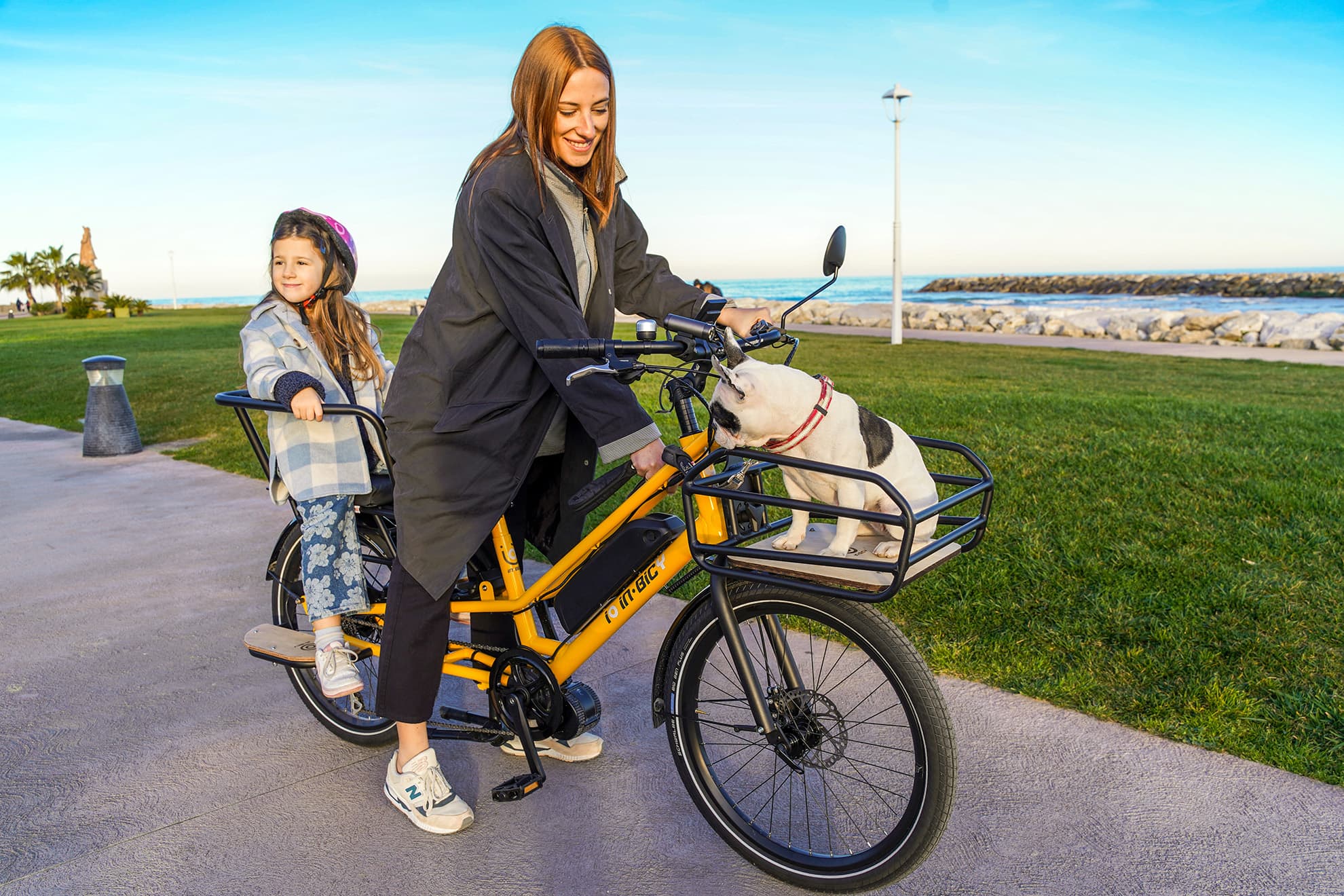
When selecting a bicycle rack, there are several important criteria to consider to ensure that it is suitable for your needs:
Looking for a practical alternative to the car? Our electric cargo bikes cargo bikes could be the answer – available on finance.
- Type of UseIt is important to determine whether the roof rack will be used for long trips, daily commuting, or recreational activities such as cycling.
- Transport of Children or Pets: When transporting children or pets, safety and stability become priorities. It is essential to opt for a roof rack designed specifically for this purpose.
- Maximum Load CapacityIt is essential to know the maximum weight the roof rack can support. This is especially important if you plan to transport heavy loads or children, to avoid overloading and potential safety risks.
- Type of Bicycle: The choice of luggage rack should be compatible with the type of bicycle in use, be it a city bike, a mountain bike, or a racing bike, and so on. There are also bicycles for which luggage racks are not recommended.
- Ease of Installation and RemovalFor those who need to remove the rack frequently, models with quick assembly and disassembly systems are preferable.
- Wheel Size CompatibilityCheck that the rack is compatible with the wheel diameter of your bicycle. Different wheel sizes require pannier racks with specific mounting systems.
- Material and ConstructionConsider the material of construction of the rack, which affects its durability and weight. Common materials include steel, aluminium and, in some cases, titanium or plastic.
- Type of AssemblyThere are fixed and quick release roof racks. Fixed luggage racks are generally more stable and suitable for heavy loads, while quick release racks offer more flexibility.
- Design and Additional FunctionalitySome roof racks have additional features such as side rails for attaching panniers or integrated fastening systems for child seats.
- Ease of Installation: Make sure the rack is easy to install on your bicycle, especially if you plan to mount and dismount it frequently.
These criteria will help you choose a rack that is not only compatible with your bicycle, but also suitable for your specific transport needs.
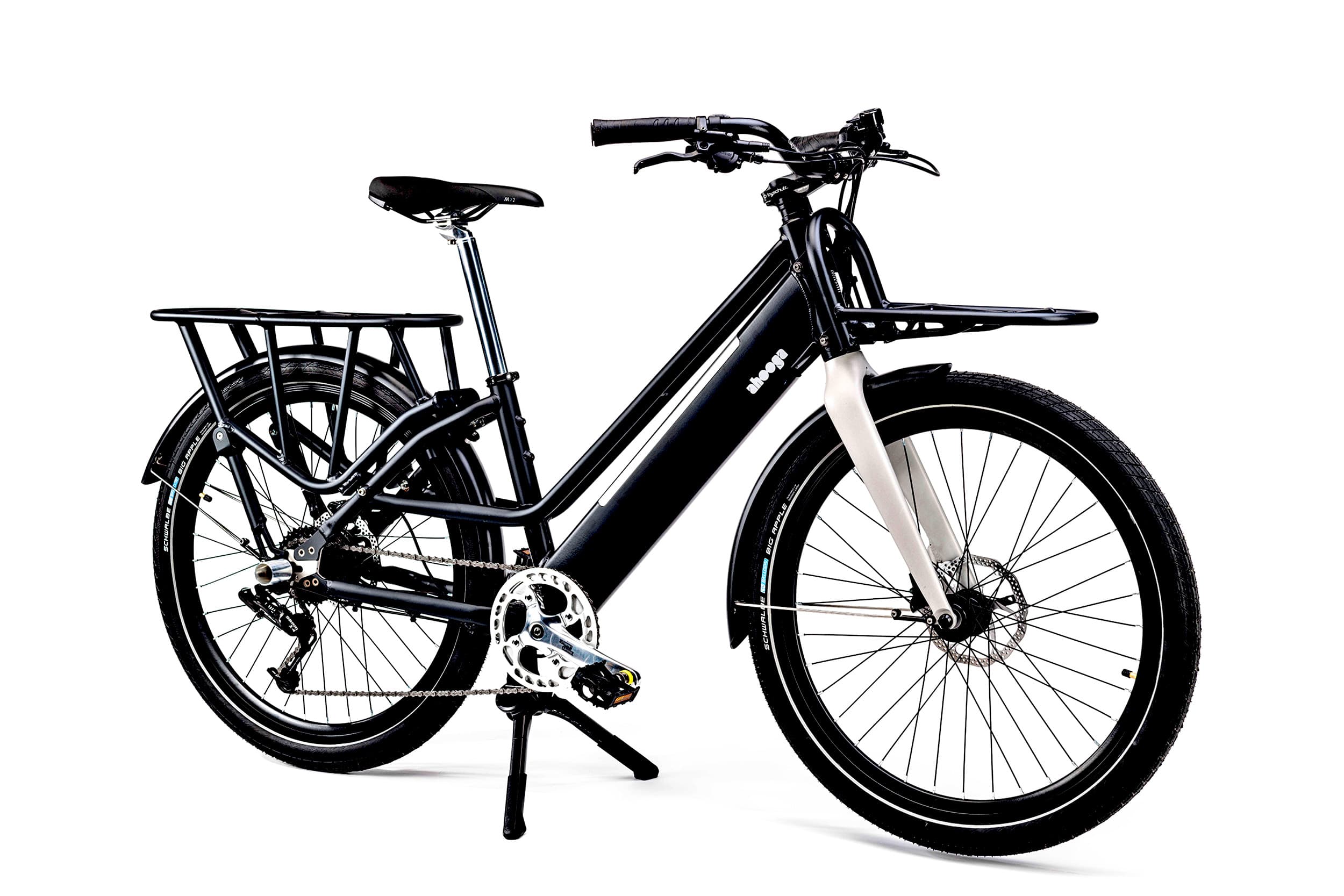
Safety and Load Capacity
Choosing a luggage rack for a bicycle requires attention to both safety and load capacity. It is important to consider both the weight and volume of the objects to be carried.
Front roof racksGenerally limited to 3-5 kg, sturdier models exist. On classic bikes, it is recommended not to exceed 15 kg. For longtail-type cargo bikes, the capacity can be up to 25-30 kg. The volumetric capacity is important for bulky objects such as pizza boxes or bulky school bags.
Rear Luggage CarriersStandard capacity varies between 5-7 kg, but sturdier models can go up to 15-20 kg. Cargo bikes can carry up to 100 kg on the rear rack.
Commercial Bicycle Rack: Compatibility
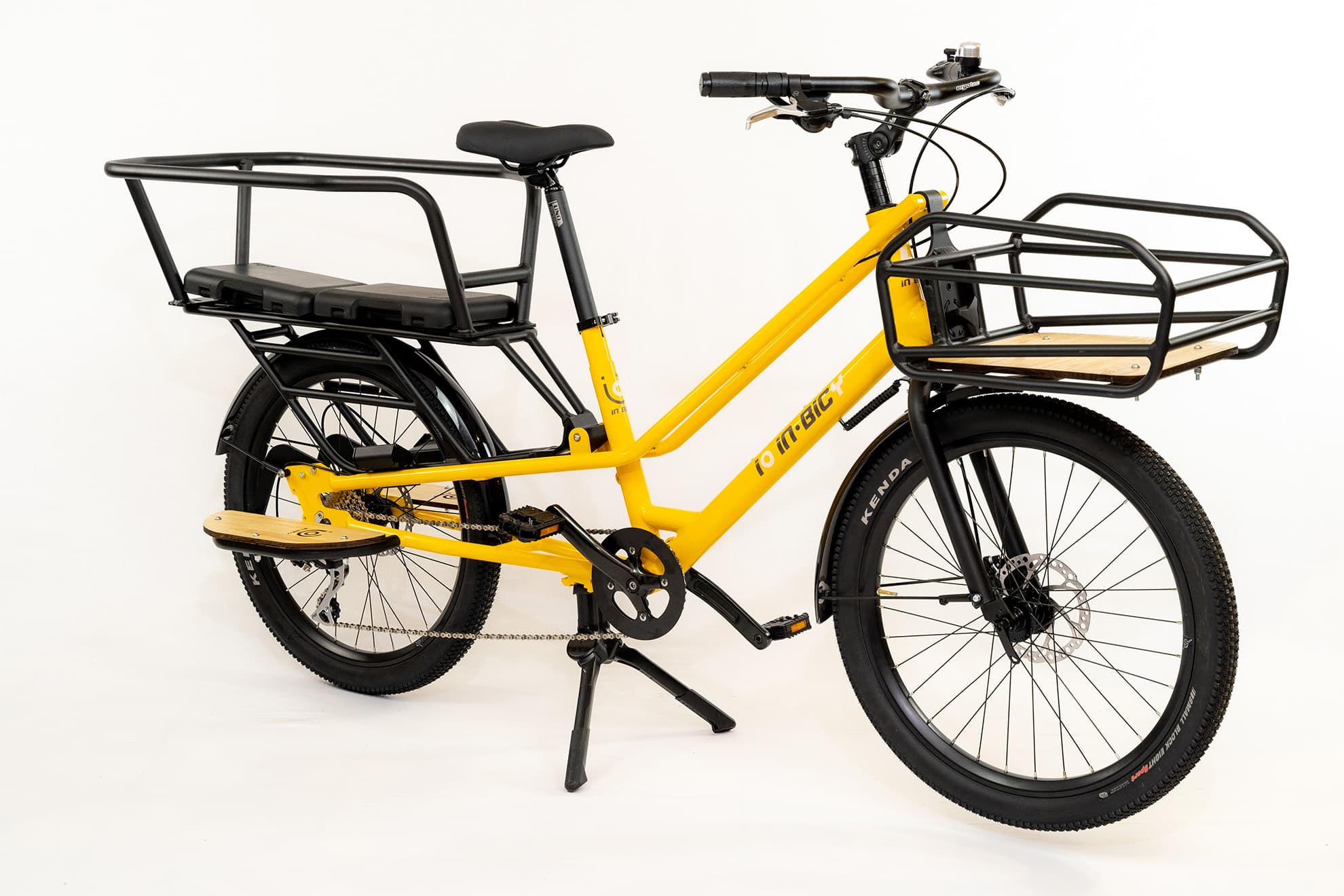
Many luggage carriers are included as standard with the bike. It is essential to check the declared load capacities. There are also universal commercial luggage carriers, but finding models that carry more than 15 kg can be difficult. For loads of more than 10 kg, such as children or pets, we recommend bicycles designed for this purpose.
Installation and Maintenance
Correct installation is crucial for safety and stability. Following the manufacturer's instructions and ensuring that all screws and supports are properly secured is essential. Regular maintenance is important to keep the rack in good condition.
Robustness of Tubes and Anchoring Modes
For carrying weights of more than 20 kg, the tubes should have a diameter of at least 6 cm. For loads of 30-50 kg, the diameter should be up to 8 cm. Checking the technical specifications provided by the manufacturer, in particular the diameter of the tubes and how they are anchored, is essential to determine the load capacity of the rack.
Conclusions
Choosing the right carrier for your bicycle is essential to ensure safety, comfort and practicality when transporting loads. Evaluate both the load capacity in terms of weight and volume, taking into account the type of bicycle and specific requirements. For valuable and delicate loads, it is crucial to opt for a rack that is truly capable of supporting the stated weight and offers maximum safety during transport. For large loads, it is preferable to use bicycles with a transport-ready frame, such as cargo bikes with integrated luggage racks or systems such as Flash Switch.
Find your bike
IDEAL now!
A free consultation!


