




Motor and electric kit for the bicycle
With this article I would like to talk to you about the motor and the kit-electric for the bicycle and answer some frequently asked questions.
First I would like to say that the motor is included with the electric kit for the bicycle, so when we talk about the electric kit, also called the e-kit, we mean including the motor.
In fact, we will often talk about the motor by referring to the entire e-kit anyway.
In this article we will mainly discuss the pedelec system of the bicycle, i.e. the e-kit within the limits permitted in Europe: 250 W motor, 36 V battery, maximum speed 25 km/hEuropean laws dictate these limits.
For example, in the US an electric bike can go up to 45 km/h.
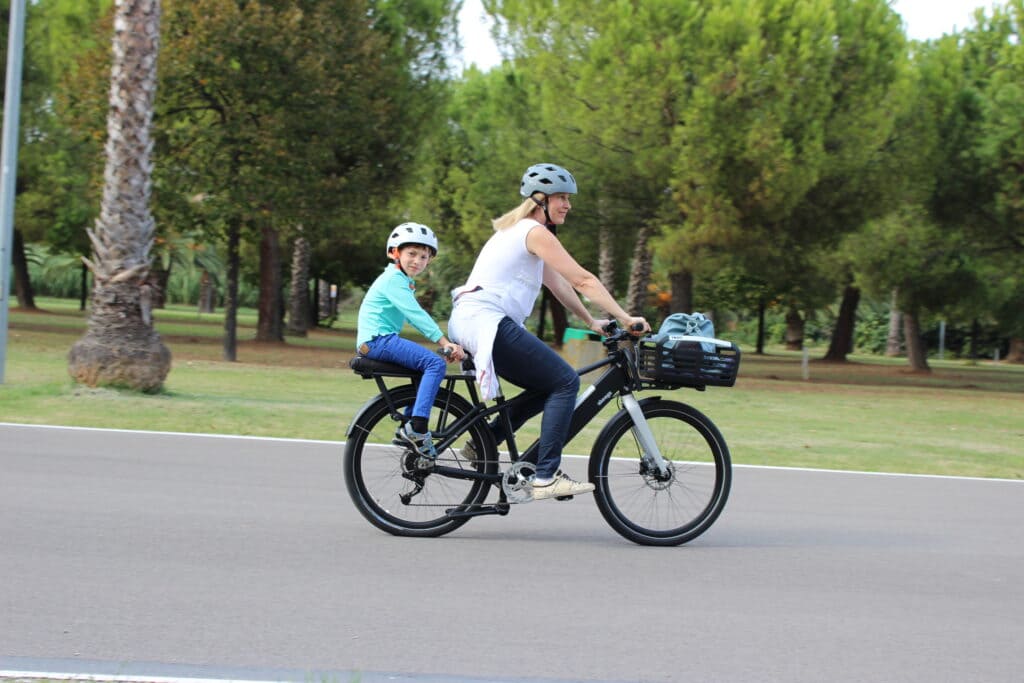
Is it possible to ride an electric bike with the highest parameters in Europe?
Yes, but in this case the bike becomes a motor vehicle with obligations very similar to those of a moped and they cannot ride on cycle paths.
Basically, in this case the bike by law must have a number plate, pay the road tax and have the same attitude as a moped.
The motors can be installed in the factory during production, and in this case the frame has pre-fabricated accommodations, sometimes the battery is integrated into the frame.
Or it can be installed "aftermarket"That is, put on the bike after it has left the factory.
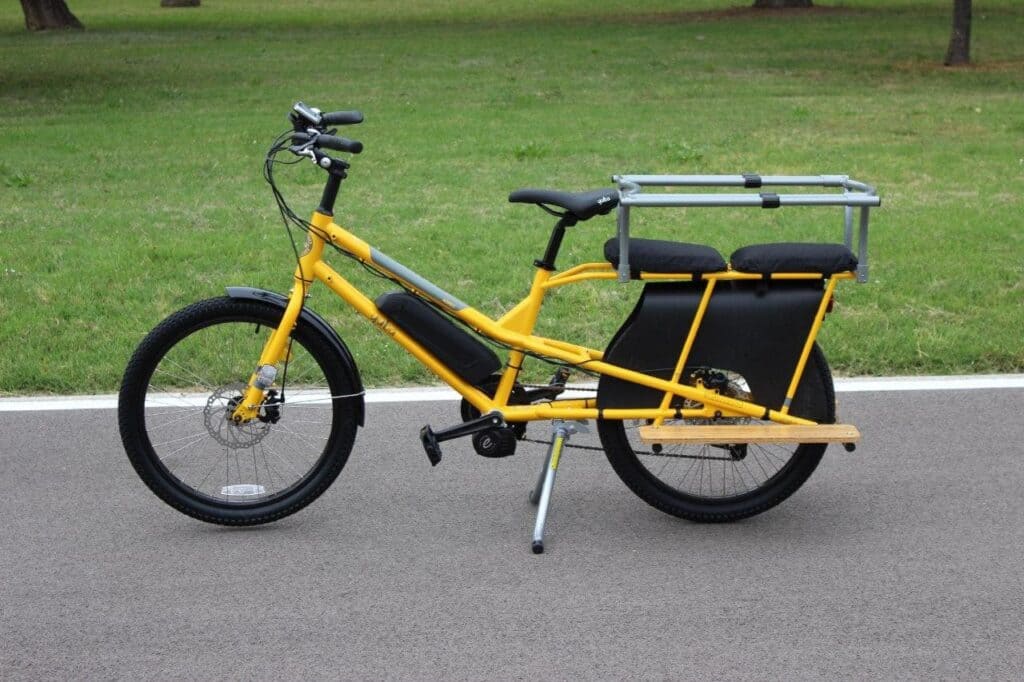
What are the advantages and disadvantages of each of these solutions?
Factory-installed engine Vs post-market installed engine.
Factory-installed motors are usually of the 3 brand main and very famous Bosch, Shimano and Yamaha.
These engines are only installed at the factory and are therefore not available for after-market installation.
So the engines that can be installed after market are those that are a little less popular than those mentioned above, and there are a lot of them.
For the best value for money, we recommend the Active Torque and Bafang models.
For everyday family mobility, a reliable electric cargo bike can truly make all the difference.
Also the price is proportionate, Bosch, Shimano and Yamaha motors cost around 2000-2500 euro VS 1100-1300 of Active Torque and Bafang motors.
Another advantage of factory-installed motors is that they have numerous service centres and are provided with a simple diagnostics.
Service centres do nothing more than attach the engine to the diagnostic kit and this marks all the specifications of the e-kit and any errors.
Very convenient, especially for a service centre. In the case of after-market e-kits, there are no specific service centres.
We as a company Donno Bikes are in fact setting up service centres for our customers throughout Italy.
The kits do not have a diagnostic system, so it takes the experience of the mechanic to figure out where the problem is.
To make you understand, it is like driving the car on autopilot.
The points in favour of after-market e-kits are also extreme freedom. You can choose both the bicycle and the various components, especially the motor and battery, as you wish.
First the question, can any non-electric bike be electrified?
IN THEORY YES, IN PRACTICE NOT REALLY.
Why? Because to electrify a bike you have to find a solution both to install the motor but also to house the battery.
So it is a question of finding the right components for that specific frame.
It can often be the case that it is not easy to find a suitable housing for commercially available batteries due to the geometry of the frame.
The same can also happen with the engine.
And if for the battery in this case one can think of a specially manufactured shell and insert cells, in the case of the motor it may even be necessary to modify the chassis.
All this may mean that the motorisation has to be done by a workshop and may also increase the prices of the e-kit or intervention.
Can you electrify your bike yourself at home?
Of course, if one is practical enough and has the necessary tools, one can also do it oneself. There are several videos on the internet explaining this. The important thing is to first find out that all components are compatible with your type of bike. In our case, we already sell ready-made e-kits for our bike type. And even if for quality reasons we prefer to do the assembly ourselves, we will still guide you if you want to do it yourself.
Now let's see what an e-kit consists of: the motor, the battery, the BMS, the display and the controller.
To install an e-kit it is very important that all components are compatible with each other and find their place on the frame of your bike that you intend to electrify, and it is precisely this part that can be the most challenging. Because each bike has its own geometry and its own spaces to be used to install an e-kit.
| features | Factory | aftermarket | comments |
|---|---|---|---|
| brand | ✅ | ❌ | The Bosch, Shimano and Yamaha brands are certainly more famous and established |
| value for money | ❌ | ✅ | |
| price | ❌ | ✅ | 2000–2500 vs 1000–1500 |
| diagnostics | ✅ | ❌ | |
| easy component replacement | ❌ | ✅ | |
| freedom of choice | ❌ | ✅ | |
| post-factory installation | ❌ | ✅ | |
| service centre in Italy | ✅ | ✅ | |
| service centres within a radius of +- 50 km | ✅ | ❌ | NB! Donno Bikes has its own service network throughout Italy |
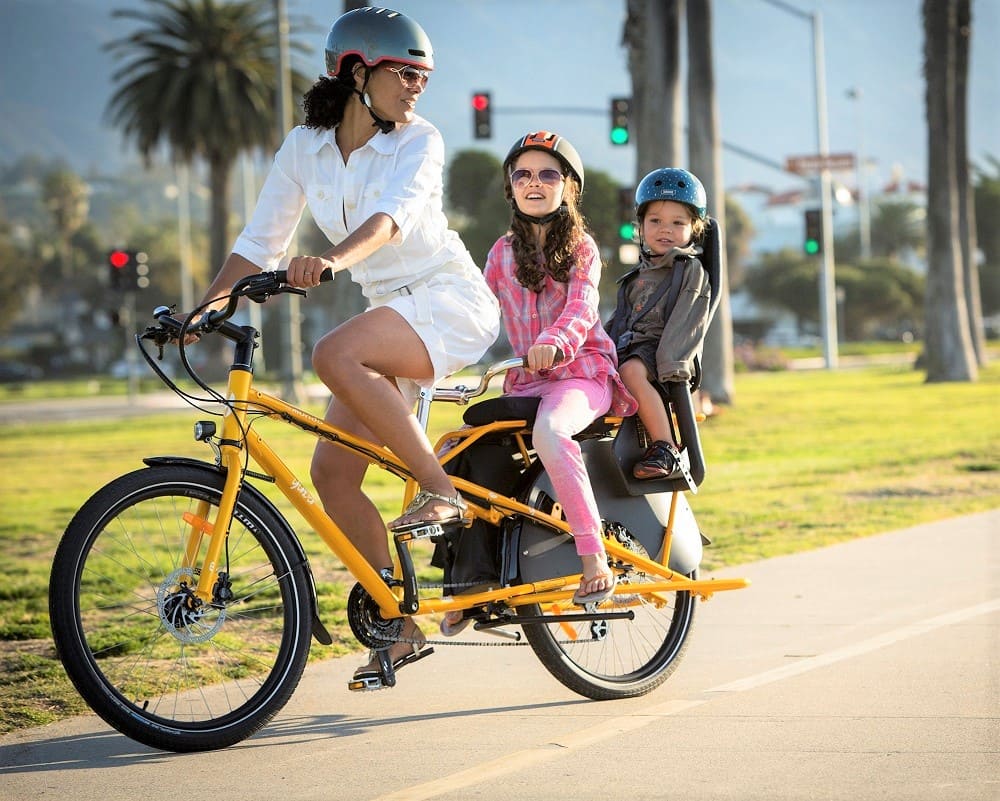
Are all engines the same?
In the next article, we will discuss the type of engines according to their position.
I also invite you to watch this video of one of our live broadcasts where we explain various important things about engines.
You can ask questions about our article or 'Motor and Electric Bike Kit' or other enquiries on donnobikes@gmail.com
Find your bike
IDEAL now!
A free consultation!


